Choosing a mattress
Best Pillows for Sleeping: How to Choose the Right One for You
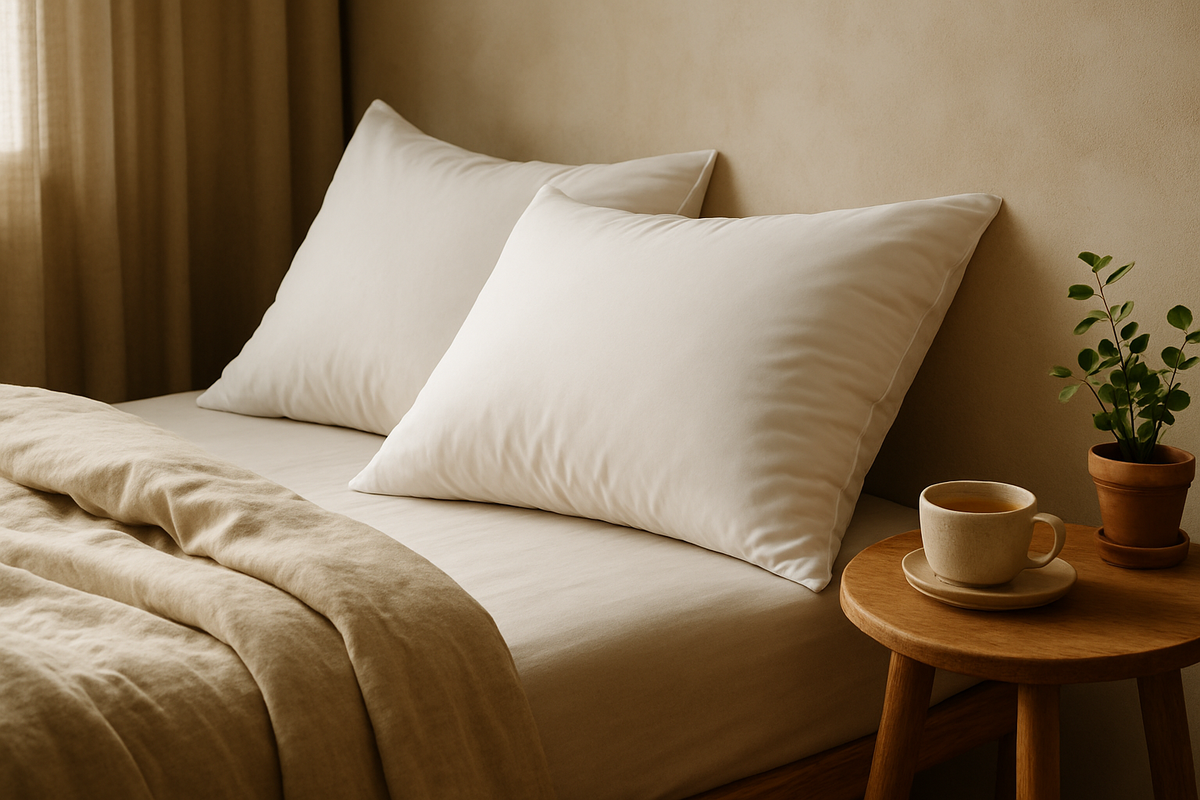
You got a new job and are planning to move to a new city, a new apartment, ready to take on the world. Excited to decorate and set the place your way, you have decided to complete your pillow shopping in one weekend. But after spending more than 10 minutes on the internet looking for the perfect pillow, you are bound to be confused more than ever! So, sit back and relax as we do all the hard work for you.
In this article
Choosing the Right Pillow Isn’t Just About Comfort. It’s About Sleeping Well—and Waking Up Better.
Looking for the perfect pillow? This guide cuts through the clutter with expert-backed advice tailored to your sleeping style, health needs, and comfort preferences.
What to Know Before Buying a Pillow
Your pillow does more than cradle your head—it supports your spine, affects your posture, and can even influence how well you recover from stress. Before you buy, understand what you actually need.
- Softness: Soft pillows may feel cozy but can lack support. Firm pillows may offer support but create neck tension. Choose a pillow that balances both, especially if you’re a side or back sleeper.
- Size: Standard pillows usually work best. Use smaller ones if you layer multiple pillows or sleep on a compact bed. There’s no need to go oversized—fit matters more than flair.
- Posture support: A good pillow aligns your head, neck, and spine. If you wake up sore, your pillow likely needs rethinking.
Best Pillow by Sleeping Position
Not all sleepers are the same. The best pillow supports your posture without forcing your body out of its natural shape.
- Side Sleepers: Need a thick, firm pillow that keeps their head and neck aligned. Natural latex or microfibre works well here.
- Back Sleepers: Require a medium-firm pillow that cradles the neck without lifting the head too much. Look for something moderately lofty.
- Stomach Sleepers: Do best with a low-loft, ultra-soft pillow—or none at all. Soft compressible pillows (like down or kapok) help minimize neck strain.
Pillow Needs Based on Health & Lifestyle
For many, pillow choice isn’t just about sleep—it’s about symptoms. Here are considerations for special requirements:
- Neck and Shoulder Pain: Consider shredded memory foam or an adjustable latex pillow that contours and supports as needed.
- Allergies: Choose hypoallergenic pillows made with breathable, antimicrobial materials like microfibre or natural latex. If you have asthma or a strong allergy, a synthetic filling such as microfibre is the safer choice. An old pillow can hold dust mites and skin cells you cannot see.
- Heat Sensitivity: Opt for cooling gel-infused pillows, breathable weaves, or phase-change fabrics to stay cool overnight.
Types of Pillow Fillings (Pros & Cons)
Materials make a difference. Here’s how to choose based on feel, longevity, and lifestyle:
- Memory Foam: Great support and contouring, but may retain heat.
- Shredded Memory Foam: Adjustable, breathable, and easier to customize.
- Latex: Supportive, durable, hypoallergenic. Naturally breathable.
- Down / Down Alternative: Ultra-soft, but less supportive. Choose ethically sourced down or microfibre versions for hypoallergenic comfort.
- Water or Gel Pillows: Stay cool and adapt to shape. Useful for chronic neck pain or hot sleepers.
- Natural Fillings (Kapok, Wool, Buckwheat): Excellent airflow and sustainability. Buckwheat offers firmness, kapok gives soft loft.
Smart Pillow Placement Tips
- Place a pillow under your knees when sleeping on your back to support spinal curvature.
- Side sleepers should add a firm pillow between the knees to align hips and reduce lower back stress.
- Stomach sleepers can place a flat pillow under the pelvis to avoid excessive spinal arching.
- Never rest your shoulders on the pillow—support your neck, not your torso.
How to Choose the Best Pillow (Step-by-Step)
- List your needs: sleeping position, allergies, pain points.
- Shortlist 2–3 materials that suit those needs.
- Read verified reviews—don’t just skim stars.
- Compare value: long-term comfort matters more than MRP.
- Sleep on it for a week. A week tells you if it suits your neck, and if you react to any material in it.
Why the Sunday Pillow Is a Smarter Buy
Sunday Delight Pillow is engineered for support, longevity, and sleep hygiene. Unlike many market options, it uses densely packed microfibres that resist flattening—while staying airy, cool, and anti-microbial.
It works especially well for side and back sleepers who need elevated support but hate the ‘blocky’ feel of traditional firm pillows. It is not machine washable—spot clean or steam clean only, as machine washing voids the 1-year accessory warranty. It is also hypoallergenic, and thoughtfully built to prevent moisture buildup—ideal for humid Indian nights.
The extra bounce, breathable structure, and softness-to-support ratio are what make this pillow a trusted choice among well-informed Sunday customers.
FAQs About Choosing the Best Pillow
- How often should I replace my pillow? Every 12–24 months depending on material. Replace sooner if it loses shape or feels musty.
- What pillow is best for neck pain? Shredded memory foam or latex pillows provide balanced contouring and support.
- Can the wrong pillow cause headaches? Yes. Misalignment can lead to neck strain, triggering tension headaches.
- Is pillow height important? Crucial. Side sleepers need higher lofts; stomach sleepers need minimal loft.
- Are hotel pillows better? Not necessarily. They’re designed for mass use. A Sunday pillow is tuned to individual comfort and longevity.
The Bottom Line
Your pillow isn’t just a bedtime afterthought—it’s a daily investment in spinal health, sleep quality, and emotional well-being. Whether you’re starting fresh in a new apartment or upgrading your current setup, choose thoughtfully. And if you’re unsure where to begin, start here.
Complete your bed
Three mattresses. Every size.
Custom size? You pay the price of the next standard size.